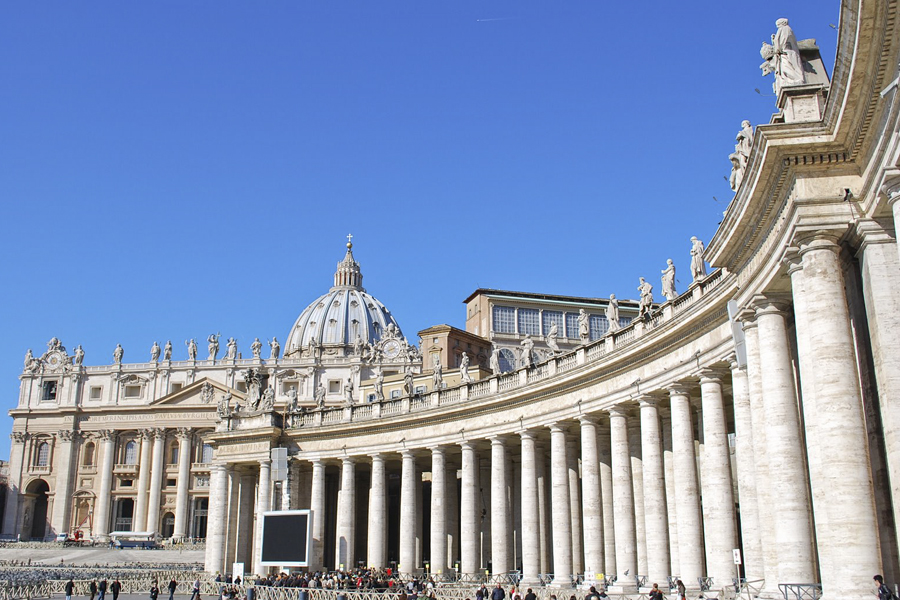
Once,I have been to China,Italy and France . It was very amazing and i very like it especially Italy, the country was really fantastic . Their building,road,shop,sculpture etc. are really classic ,I don't know how to explain it you should see it with your eyes . If i have time i will upload some shot from there . :)
วันพุธที่ 5 กันยายน พ.ศ. 2555
Check this out!
Once,I have been to China,Italy and France . It was very amazing and i very like it especially Italy, the country was really fantastic . Their building,road,shop,sculpture etc. are really classic ,I don't know how to explain it you should see it with your eyes . If i have time i will upload some shot from there . :)
Once,I have been to China,Italy and France . It was very amazing and i very like it especially Italy, the country was really fantastic . Their building,road,shop,sculpture etc. are really classic ,I don't know how to explain it you should see it with your eyes . If i have time i will upload some shot from there . :)




KRABI
If your idea of paradise is a pristine, tranquil tropical island with swaying coconut trees, pure white beaches and brilliant turquoise lagoons, then Krabi will not disappoint you.

"The Sun, Sea and Sand" this would be what you will always see when you are in Krabi. Lot's of sunshine, crystal clear blue sea, soft powder white sandy beaches...need I say more?
We swam, snorkeled, sun tanned in the perfect krabi beaches, kayaking deep into the canyons...remote islands that time forgot.It's amazing that there are so many activities that you want to do that you will wish you could stay there just for a bit longer.
Gaze at the Aurora Borealis

Never mind the grizzly bears, the glaciers and the tundra. The best reason to go north (to Alaska, the Yukon or anywhere else above about 60 degrees latitude) is to see the Northern Lights.
Try to imagine the most colorful, textured sunset you've ever seen, then send it swirling and pulsing across an otherwise clear and starry sky. Maybe add some faint outlines of mountains on the horizon and a hooting gray owl for ambience.
But even more fabulous, in its own way, is the physics. Your planet is being buffeted by solar wind—particles of protons and electrons that the sun spews into space. Some of the charged particles get sucked into the earth's magnetic field and flow toward the pole until they collide with our atmosphere. Then, voilà: the aurora borealis (or aurora australis, if you happen to be at the bottom of the Southern Hemisphere).
The best times to see the aurora are around the fall and spring equinoxes, according to Janet Green, a physicist at the National Oceanic and Atmospheric Administration (NOAA), when geomagnetic storms—disturbances in the earth's magnetic field—are strongest. It helps if the sun is near a peak of activity in its 11-year sunspot cycle. You can sign up for aurora alerts online or keep an eye on NOAA's geomagnetic storm forecast. But most of all you need a cloudless night, a flask of something warm and bracing, and pepper spray in case a grizzly tries to join you for the show.
The Tranquil Zen Garden of Kyoto

Zen rock gardens, or karesansui (translated as "dry-mountain-water"), originated in medieval Japan and are renowned for their simplicity and serenity. The most famous of these can be found in Kyoto at the 15th-century Ryoan-ji, the Temple of the Peaceful Dragon. "While there are other similar gardens of great beauty," says James Ulak, curator of Japanese art at Smithsonian's Freer and Sackler galleries, "Ryoan-ji remains the ur-site of the type—powerful, abstract, Zen Buddhist landscapes designed to invoke deep meditation."
Measuring 98 by 32 feet, the Ryoan-ji garden is about the size of a tennis court and is composed solel of 15 large and small rocks, some encircled by moss, grouped in five clusters on a bed of carefully raked white sand. From a distance, the rocks resemble islands, the sand a tranquil sea.
In 2002, a research team at Kyoto University claimed to have cracked the Zen code. Relying on computer models, they found that the garden's rocks—when viewed from the proper angle—subconsciously evoke the tranquil outline of a branching tree. Over the centuries, however, visitors have discerned images as diverse as a tigress escorting her cubs across water and the Chinese character for "heart" or "mind." Since the anonymous designer left no explanation, the garden's exact meaning remains a mystery, which no doubt contributes to its enduring allure.
The Louvre’s Priceless Masterpieces
 The Mona Lisa. The Venus de Milo. The Winged Victory of Samothrace. The collection in the Louvre Museum in Paris is an Art History 101 checklist. And yes, you must see the works in person. No photograph or Web site has the same impact as standing dwarfed before the myriad intricacies of Renaissance painter Paolo Veronese's 22-foot-tall Wedding Feast at Cana. But a pick-and-choose tour of famous masterpieces ignores the full scope of the collection. Begun by King François I in 1546, the 35,000 pieces are a narrative of artistic vision from antiquity through the mid-19th century.
The Louvre is the granddaddy of public art museums. In 1793 the medieval fortress-turned-royal palace was opened to all the people by order of the French Revolutionary government. Fostered later by Napoleon, who understood the propaganda value of a collection of world masterpieces, it was also a center for the education of artists. "The Louvre was the inspiration for other art museums," says Andrew McClellan, author of Inventing the Louvre and a professor of art history and museum studies at Tufts University. "It is the quintessential example of the museum idea: that you can go into one place and confront the surviving products of distant cultures and the finest things that have ever been made."
Restoring the Taj Mahal
This year, millions of tourists will visit the marble monument—and the Indian government is restoring it for millions more
- By Kathleen Burke
- Smithsonian magazine, January 2008, Subscribe

Every year for the past decade or so, more than three million travelers have visited India's Taj Mahal. The white marble monument—completed over some 15 years by the emperor Shah Jahan as a memorial to his wife, Mumtaz Mahal, who died in childbirth in 1631—rises on a three-acre site on the Yamuna River in the northern city of Agra.
By the mid-1990s, the Taj's splendors—such as the 187-foot, minaret-flanked dome, fronted by a reflecting pool and surrounded by a walled garden—had deteriorated markedly, prompting a multimillion-dollar restoration effort spearheaded by the Indian government. The massive undertaking includes scrubbing the marble exterior and a restoration of the massive red sandstone main gates, including the replacement of semiprecious inlay.
The restoration is expected to take several years. Even before the scaffolding comes down, however, visitors will discover that the monument's aura of serenity—long associated with this symbol of romantic love—remains intact. Today, access to the site is regulated by the use of timed tickets; visitors stroll among the gardens and gleaming interior spaces in an atmosphere closer to the tranquillity envisioned by Shah Jahan himself. This significant preservation project, says Bonnie Burnham, president of the World Monuments Fund, demonstrates the progress that can be achieved by "public-private partnerships." Long-term plans, she adds, include a re-creation of the site's original gardens.
The Statues of Easter Island

วันอังคารที่ 4 กันยายน พ.ศ. 2555
Archaeology and Relaxation in Santorini

the island of Santorini is probably the most intriguing island of Greece. Simply its name is more than enough to unfold in mind stunning sunsets and scenery, white, red and black sand beaches, impresive traditional houses, balconies with vew to the Volcano and and lively night life. All the above, allong with the remains of the antiquity and the myth of the Lost Atlantis justify the words which the tourists determine this wonderful island.
The active volcano of Santorini erupted in the 50's and ruined many towns of the island. Santorini is also called Thira and its capital is the town of Fira. It is a very touristy island and therefore rather expensive.
The active volcano of Santorini erupted in the 50's and ruined many towns of the island. Santorini is also called Thira and its capital is the town of Fira. It is a very touristy island and therefore rather expensive.
The locals live mainly off agriculture and tourism. The islands largest export product is soil; 2.000.000 tons a year are used all over the world, mainly to make concrete. The Suez channel was built with this concrete for example.
Most holidaymakers stay where the beaches are, Kamari and Perissa, but these places really do not represent the island's amazing distinctiveness.
If you can, you should try to stay in Fira, Imerovigli or Oia, the towns on the cliffs, which are very beautiful and full of little cafes, shops and places of interest. There is a bus that goes to the beaches everyday, and it is much better to be in the towns in the evening and on the beaches during the day. If you stay in Monolithos you will have more peace and quiet.
Most holidaymakers stay where the beaches are, Kamari and Perissa, but these places really do not represent the island's amazing distinctiveness.
If you can, you should try to stay in Fira, Imerovigli or Oia, the towns on the cliffs, which are very beautiful and full of little cafes, shops and places of interest. There is a bus that goes to the beaches everyday, and it is much better to be in the towns in the evening and on the beaches during the day. If you stay in Monolithos you will have more peace and quiet.
Approaching the island by boat the immediate impression obtained is this is a Greek island unlike any other. The island of Santorini was formed out of the lava from the volcanic eruption in 1660 BC. The central part of the volcano sank into the sea leading to the emergence of Santorini itself and the tiny neighbouring islands of Thirasia, Palaia and Nea Kameni close by.
Today, Santorini is the only inhabited Caldera (volcano cauldron) in the world. Unlike other islands in Greece, the towns and villages sit densely on top of the massive cliffs of the Caldera and from a distance appear like snow capping the towering mountain tops. The coloured strata of the volcanic rock of these cliffs are spectacular in themselves: chocolate brown, rust red, yellow ochre, white and cream. The geological uniqueness however is not the only thing that makes Santorini a special holiday destination.
 Everyone has read about the spectacular sunsets that occur on this island and the sceptic may question whether the setting sun can really appear differently here than from the neighbouring islands of Naxos or Ios. Nevertheless, the sunsets at Santorini, viewed from the Caldera, really are breathtakingly beautiful when seen as a backdrop to the volcano. The colours that streak the sky change from lilac to deep purple, from yellow to orange to red, as the golden sun sinks and becomes blood red reflecting its light on to the sea and the surrounding little islands, an amazing scene for photography. The eastern slopes of the island are green and fertile, even in October. This is due to the copious vineyards that grow so well in the fertile volcanic soil. The terraced slopes of the mountains use every available part of this fertile land. The island suffer from water scarcity, because it has few natural water reserves, but the nature of the dry soil of Santorini produces grapes that make up one of the best wines of Greece. The climate, though damp is healthy and perfect for producing the famous wine (vinsando), fava beans and tomatoes. There are many wineries and a a local factory for canning tomato paste, tomatoes and vegetables. Santorini used to export a lot of pumice that finally stopped due to the destruction the old pumice mines did to the island. The old mines now are used for the burial of waste.
Today the island's economy relies on tourism, where tens of thousands tourists from Greece and around the world visit the island for unforgettable holidays
Today, Santorini is the only inhabited Caldera (volcano cauldron) in the world. Unlike other islands in Greece, the towns and villages sit densely on top of the massive cliffs of the Caldera and from a distance appear like snow capping the towering mountain tops. The coloured strata of the volcanic rock of these cliffs are spectacular in themselves: chocolate brown, rust red, yellow ochre, white and cream. The geological uniqueness however is not the only thing that makes Santorini a special holiday destination.
Everyone has read about the spectacular sunsets that occur on this island and the sceptic may question whether the setting sun can really appear differently here than from the neighbouring islands of Naxos or Ios. Nevertheless, the sunsets at Santorini, viewed from the Caldera, really are breathtakingly beautiful when seen as a backdrop to the volcano. The colours that streak the sky change from lilac to deep purple, from yellow to orange to red, as the golden sun sinks and becomes blood red reflecting its light on to the sea and the surrounding little islands, an amazing scene for photography. The eastern slopes of the island are green and fertile, even in October. This is due to the copious vineyards that grow so well in the fertile volcanic soil. The terraced slopes of the mountains use every available part of this fertile land. The island suffer from water scarcity, because it has few natural water reserves, but the nature of the dry soil of Santorini produces grapes that make up one of the best wines of Greece. The climate, though damp is healthy and perfect for producing the famous wine (vinsando), fava beans and tomatoes. There are many wineries and a a local factory for canning tomato paste, tomatoes and vegetables. Santorini used to export a lot of pumice that finally stopped due to the destruction the old pumice mines did to the island. The old mines now are used for the burial of waste.Today the island's economy relies on tourism, where tens of thousands tourists from Greece and around the world visit the island for unforgettable holidays
Machu Picchu’s Ancient Beauty

Machu Picchu, the royal retreat of the Incan emperor
Pachacuti, sits atop the Urubamba Valley in Peru. Meaning "Old Mountain"
in the Quechua Indian language, the complex was constructed in the 15th
century as a place for the emperor and his retinue to relax, hunt or
entertain foreign dignitaries.
The site also boasts Huayna Picchu Mountain, which looms nearly 1,000 feet above terraces, plazas and stone ruins as mists swirl up from the Urubamba River. After the Spanish conquest in 1532, jungle growth enveloped the structures and temples. In 1911, Yale historian Hiram Bingham stumbled upon the "lost city of the Incas." Since then, its magnificent setting and detailed stonework have captivated countless visitors.
There is never a wrong time to see Machu Picchu, but the ideal moment to experience the vista is during the rise of the Inca's most powerful deity, the sun. (Spend the night in Aguas Calientes, at the base of Machu Picchu, to catch the sunrise.) Photographer Ruth M. Wright, who has studied Machu Picchu for 30 years and co-authored The Machu Picchu Guidebook: A Self-Guided Tour, says the best view is from the Guardhouse, where a visitor can anticipate the sun with nothing more than a llama grazing in the distance. "As the golden rays slip down Huayna Picchu, the buildings on the ridge below start to emerge from the shadows until Machu Picchu is presented in all its glory," she says. "It is a breathtaking, almost spiritual experience, and one you will never forget."
The site also boasts Huayna Picchu Mountain, which looms nearly 1,000 feet above terraces, plazas and stone ruins as mists swirl up from the Urubamba River. After the Spanish conquest in 1532, jungle growth enveloped the structures and temples. In 1911, Yale historian Hiram Bingham stumbled upon the "lost city of the Incas." Since then, its magnificent setting and detailed stonework have captivated countless visitors.
There is never a wrong time to see Machu Picchu, but the ideal moment to experience the vista is during the rise of the Inca's most powerful deity, the sun. (Spend the night in Aguas Calientes, at the base of Machu Picchu, to catch the sunrise.) Photographer Ruth M. Wright, who has studied Machu Picchu for 30 years and co-authored The Machu Picchu Guidebook: A Self-Guided Tour, says the best view is from the Guardhouse, where a visitor can anticipate the sun with nothing more than a llama grazing in the distance. "As the golden rays slip down Huayna Picchu, the buildings on the ridge below start to emerge from the shadows until Machu Picchu is presented in all its glory," she says. "It is a breathtaking, almost spiritual experience, and one you will never forget."
วันจันทร์ที่ 3 กันยายน พ.ศ. 2555
Venice

A jewel of a city audaciously built on 118 tiny islands and a
network of waterways, Venice is an imperiled treasure that stubbornly
endures. Due to the plodding geological shifts of the continents, the
city is sinking at a rate of two and a half inches per decade.
A watery demise for Venice by the end of the century may be inevitable.
Many people are determined to save it. From a multibillion-dollar plan to install mobile floodgates to strengthening erosion barriers, the rescue mission has become an international effort.But it's hard to imagine impending doom when you first encounter this enchanting Italian city. With its maze of narrow streets, hundreds of bridges and dozens of canals linking its magnificent architecture and art, even a wrong turn can be thrilling. The deluxe way to see Venice is to cruise the canals in a pricey cushioned gondola poled by a boatman. "It is a wondrous experience, even though some people sniff at it as a tourist clichŽ," says Eric Denker, a senior lecturer at the National Gallery of Art who has visited Venice at least 50 times. "Gazing from water level, the city reveals vistas, waterfront facades, fenestration and bridge decorations you can find from no other angle." And, he says, the sleek gondolas can detour off the Grand Canal into smaller, less-traveled waterways.Still, the Grand Canal, the city's main thoroughfare, is not to be missed. In 1495, the ambassador to French king Charles VIII called it "the most beautiful street in the world." And, fortunately, not much has changed since then.
A watery demise for Venice by the end of the century may be inevitable.
Many people are determined to save it. From a multibillion-dollar plan to install mobile floodgates to strengthening erosion barriers, the rescue mission has become an international effort.But it's hard to imagine impending doom when you first encounter this enchanting Italian city. With its maze of narrow streets, hundreds of bridges and dozens of canals linking its magnificent architecture and art, even a wrong turn can be thrilling. The deluxe way to see Venice is to cruise the canals in a pricey cushioned gondola poled by a boatman. "It is a wondrous experience, even though some people sniff at it as a tourist clichŽ," says Eric Denker, a senior lecturer at the National Gallery of Art who has visited Venice at least 50 times. "Gazing from water level, the city reveals vistas, waterfront facades, fenestration and bridge decorations you can find from no other angle." And, he says, the sleek gondolas can detour off the Grand Canal into smaller, less-traveled waterways.Still, the Grand Canal, the city's main thoroughfare, is not to be missed. In 1495, the ambassador to French king Charles VIII called it "the most beautiful street in the world." And, fortunately, not much has changed since then.
สมัครสมาชิก:
บทความ (Atom)